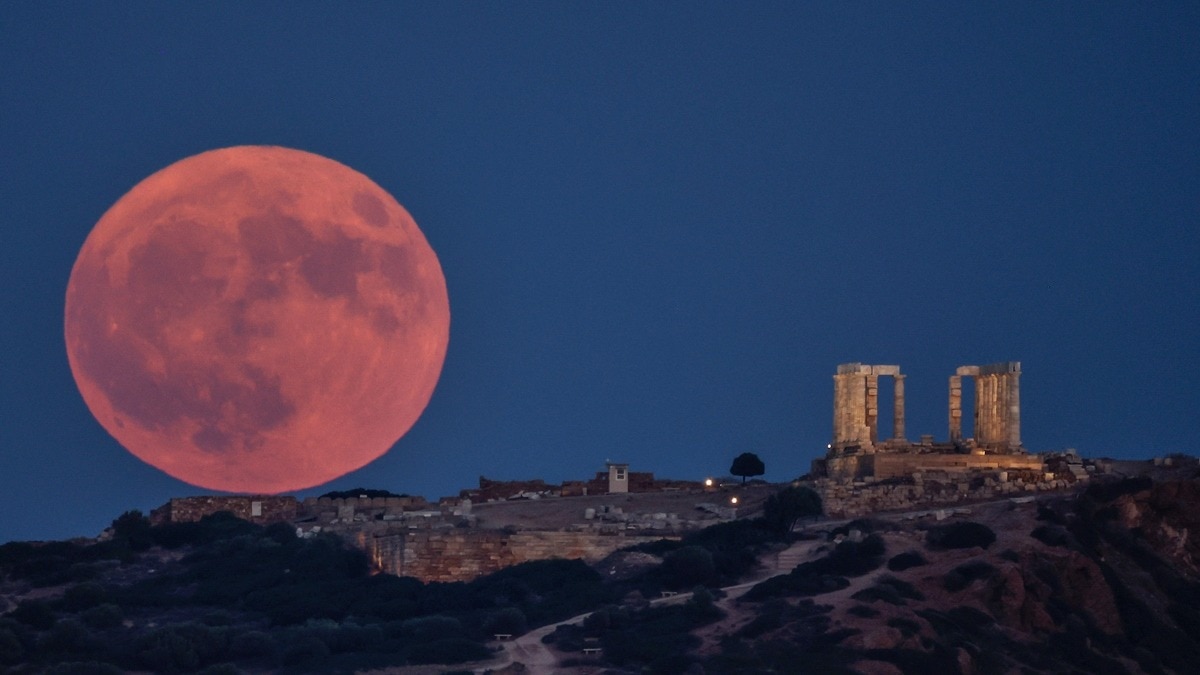
The sky will soon be graced by the last supermoon of 2023, known as the Cold Moon, which will illuminate the December night. This astronomical event occurs when the Moon is closest to Earth during its elliptical orbit, appearing significantly larger and brighter than usual. With the December supermoon expected to be 14% larger in diameter and 30% brighter than the faintest moon of the year, stargazers are in for a treat. The Cold Moon will reach its full phase on December 5, presenting a splendid sight for observers. The best viewing opportunity will be right after moonrise, when the Moon looks its largest due to an optical illusion known as the Moon illusion.
Additionally, the supermoon coincides with the Geminids meteor shower, allowing for a delightful combination of celestial spectacles in the night sky. This unique event also results in substantially higher tides, known as perigean spring tides, due to the Moon’s proximity to Earth.
Although the term 'supermoon' lacks official standing in astronomy, it has gained popularity. It refers to any full or new Moon that is within 90% of its nearest point to Earth, called perigee. The Cold Moon is also recognized by several traditional names, including Long Nights Moon and Moon before Yule, as it occurs near the winter solstice, marking the longest night of the year. Other historical names include Frost Exploding Trees Moon and Winter Maker Moon, reflecting the season's characteristics.
The celebration of winter solstice and the return of the Sun in ancient cultures ties into the significance of this lengthy night, emphasizing the importance of the Cold Moon as both a natural phenomenon and a cultural symbol. As enthusiasts prepare for this enchanting display, the December supermoon promises to awe all who gaze upwards to witness the wonder of the night sky.